.png)
10 Unique Tips and Tricks for Cooking Perfect Eggs Every Time
Eggs are a staple ingredient for cooks, chefs, and bakers alike. Yet, even the most experienced kitchen professionals can face challenges when trying to achieve the perfect texture, flavor, and appearance. Whether you are preparing a simple breakfast or a complex pastry, mastering egg cooking techniques can elevate your dishes. This post shares 10 unique egg tips that go beyond the basics, helping you unlock the full potential of farm fresh eggs in your kitchen.

Perfect sunny-side-up eggs cooked evenly in a non-stick skillet
1. Use Farm Fresh Eggs for Better Results
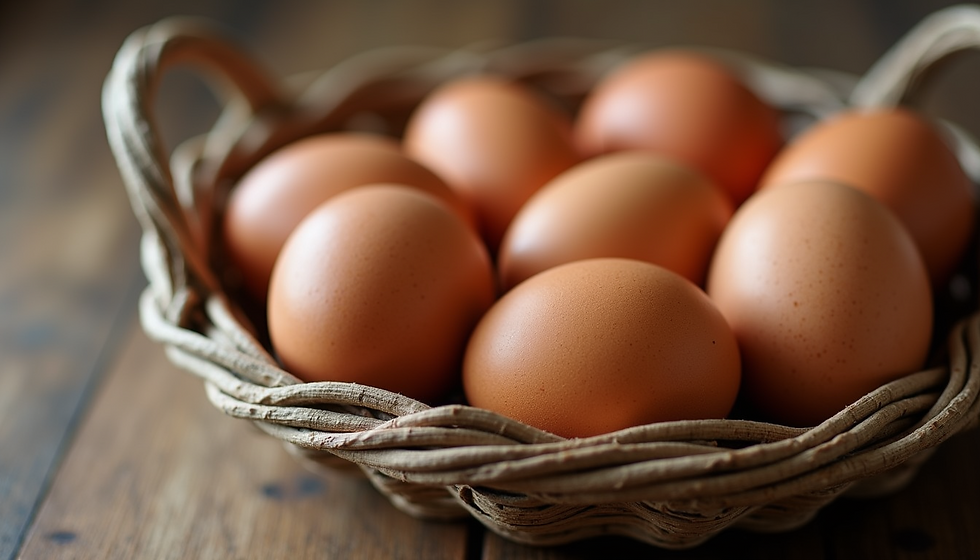
Farm fresh eggs have a richer yolk color and firmer whites compared to store-bought eggs. Their freshness affects how eggs behave during cooking. For example, fresh eggs hold together better when poached or fried, reducing the risk of spreading whites.
If you want your poached eggs to have a neat shape, always choose farm fresh eggs. They also add a natural depth of flavor that enhances any dish, from scrambled eggs to custards.
2. Add a Pinch of Salt Before Beating
When making scrambled eggs or omelets, add a pinch of salt before beating the eggs. This helps break down the proteins, resulting in a creamier texture and more even cooking.
Try this tip next time you whisk eggs for baking or cooking. It’s a simple step that can make a noticeable difference in softness and flavor.
3. Use Water to Prevent Overcooking
When boiling eggs, adding a splash of vinegar or salt to the water is common advice, but adding a teaspoon of baking soda can also help. It raises the pH level, making the eggs easier to peel and preventing the greenish ring around the yolk caused by overcooking.
For soft-boiled eggs, immediately transfer them to an ice bath after boiling to stop the cooking process and keep the yolks creamy.
4. Cook Eggs Low and Slow
Cooking eggs over low heat allows better control and prevents rubbery whites or chalky yolks. Whether frying, scrambling, or making custards, patience pays off.
For example, scrambled eggs cooked slowly while stirring gently produce a silky texture that many chefs prefer. This method also preserves the delicate flavor of farm fresh eggs.
5. Use a Non-Stick Pan and Minimal Fat
A good non-stick pan is essential for cooking eggs without sticking or tearing. Use just enough butter or oil to coat the surface lightly. Too much fat can cause eggs to fry unevenly or become greasy.
For bakers, this tip is useful when preparing egg-based batters or glazes that require gentle cooking or caramelization.

Soft scrambled eggs cooked gently in a non-stick pan
6. Separate Eggs for Better Texture in Baking
When baking, separating yolks and whites can improve texture. Whipping egg whites until stiff peaks form adds airiness to cakes and soufflés. Yolks add richness and moisture.
Farm fresh eggs whip better and hold their structure longer, which is why many bakers prefer them for delicate recipes.
7. Use an Egg Ring for Perfect Shapes
If you want perfectly round fried or poached eggs, use an egg ring. This simple tool keeps the egg contained and helps it cook evenly.
Egg rings are especially useful for breakfast sandwiches or plating dishes where presentation matters.
8. Add Dairy for Creamier Scrambled Eggs
Mixing a small amount of cream, milk, or even crème fraîche into beaten eggs before cooking creates a richer, creamier texture.
This trick works well with farm fresh eggs, enhancing their natural flavor and making scrambled eggs more luxurious.
9. Store Eggs Properly to Maintain Freshness
Keep eggs in their original carton in the coldest part of your fridge, not the door. This prevents temperature fluctuations that can degrade quality.
For bakers and chefs, using fresher eggs means more reliable results, especially in recipes where egg structure is critical.

Proper storage of farm fresh eggs in a refrigerator carton
10. Crack Eggs on a Flat Surface
Cracking eggs on the edge of a bowl or pan can push shell fragments into the egg. Instead, crack eggs on a flat surface like a countertop. This reduces shell bits and keeps your dish clean.
This simple tip saves time and frustration, especially when cooking multiple eggs or preparing delicate recipes.
Mastering these egg tips will improve your cooking and baking outcomes. Using farm fresh eggs combined with these practical tricks ensures your eggs turn out perfect every time. Whether you are frying, scrambling, boiling, or baking, these techniques help you get the best texture, flavor, and presentation.
Try incorporating these tips into your next recipe and notice the difference. Great eggs are the foundation of many dishes, so investing time in learning how to cook them well pays off in every meal.


Comments